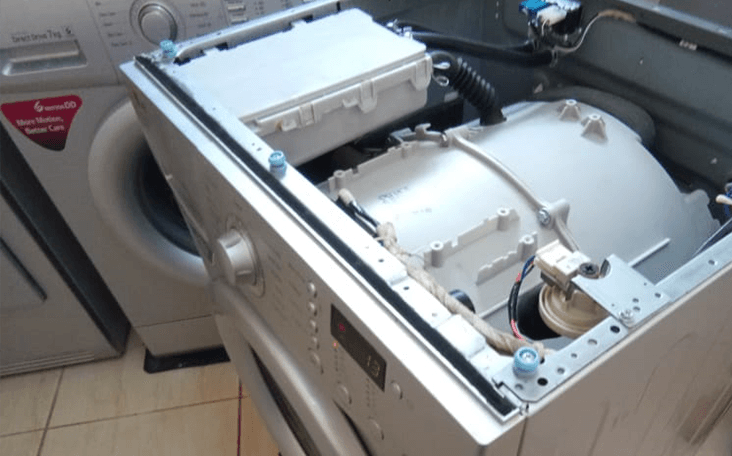
Clean Inlet Filter Screens: Washer Maintenance Tip

Between the water inlet hoses and the washing machine body sit small mesh filter screens — typically one per water inlet valve. These screens exist to catch sediment, rust particles, grit, and debris that travel through the household water supply before they can enter the machine’s internal components. In areas with older plumbing infrastructure or high sediment water supplies, these screens can clog within months. A blocked inlet filter restricts water flow into the machine, leading to extended fill times, error codes, incomplete wash cycles, and in some cases, damage to the inlet valve solenoid itself. Locating the Filter Screens …

Continue Reading

Level the Machine: Washer Maintenance Tip

A washing machine that is not properly levelled is operating under conditions it was never designed for. During spin cycles, the drum reaches speeds of 800 to 1400 RPM. At those speeds, even a slight imbalance in the machine’s stance translates to intense vibration, audible banging, lateral movement across the floor, and accelerated mechanical wear on the drum bearings, suspension springs, and shock absorbers. Levelling a washing machine is a simple, tool-minimal task that takes under 30 minutes and can prevent hundreds of pounds worth of bearing or drum spider damage over the machine’s lifespan. Why Machines Go Out of …

Continue Reading

Clean the Detergent Dispenser: Washer Maintenance Tip

The detergent dispenser drawer is one of the most overlooked components in a washing machine, yet it is consistently one of the dirtiest. Every wash cycle pushes water through the dispenser to flush detergent, fabric softener, and pre-wash agents into the drum — but not all of it flushes cleanly. Over time, undissolved detergent residue, softener gel, and standing moisture combine to form a thick, sticky deposit that becomes a thriving environment for mould and bacteria. A clogged or contaminated dispenser also disrupts detergent dosing, meaning your laundry may not be getting properly cleaned even when you think it is. …

Continue Reading

Inspect Water Inlet Hoses: Washer Maintenance Tip

The water inlet hoses connect your washing machine to the household water supply — typically one cold line and one hot line on traditional machines, or a single cold feed on most modern models. These hoses carry pressurised water into the machine for every wash cycle, which means they are under constant stress. A hose failure does not produce a slow drip; it produces a burst that can release hundreds of litres of water within minutes. Inspecting inlet hoses regularly is one of the most important — and most ignored — preventive maintenance tasks for any washing machine owner. Why …

Continue Reading

Run a Cleaning Cycle: Washer Maintenance Tip

Most people think of their washing machine as a self-cleaning appliance — it runs hot water and detergent through itself every day, so surely the inside stays clean. In practice, the opposite is true. Over time, washing machines accumulate detergent residue, mineral deposits, body soil, fabric softener film, and bacterial colonies that embed into the drum, gasket, door boot, and internal hoses. Running a dedicated cleaning cycle is the most direct way to flush all of this out and restore the machine to a hygienic baseline. What a Cleaning Cycle Does A cleaning cycle differs from a regular wash in …

Continue Reading

Test Water Temperature: Washer Maintenance Tip

The temperature of the wash water directly affects cleaning performance, fabric care, and hygiene outcomes. Most modern washing machines use thermostats and heating elements to heat water to the selected programme temperature, but these components can drift, fail partially, or be affected by faulty inlet valves. Testing that your machine is actually delivering the temperature you select is a simple diagnostic check that reveals heater element issues, thermostat faults, and programme calibration problems before they cause laundry damage or incomplete sanitisation. Why Temperature Accuracy Matters Selecting a 60°C cycle for heavily soiled items or a hygiene wash relies on the …

Continue Reading

Clean the Washer Drum: Washer Maintenance Tip

The washing machine drum is in contact with every item of laundry you wash, every wash cycle, year after year. Despite being stainless steel — a material that resists corrosion and is non-porous — the drum surface accumulates a combination of detergent film, fabric softener residue, mineral scale from hard water, and bio-organic deposits from soil and body residue on laundry. Left to build up, this film contributes to odours, can transfer a grey or dull tinge to light fabrics, and in severe cases allows bacterial colonies to establish on the drum surface itself. What Accumulates in the Drum Detergent …

Continue Reading

Replace Rubber Water Hoses: Washer Maintenance Tip

Rubber water inlet hoses are the most statistically significant source of catastrophic washing machine water damage in domestic properties. Unlike internal component failures that typically produce gradual symptoms, a burst rubber hose releases full mains water pressure into the immediate area — a 15 mm supply pipe can discharge over 500 litres per hour. Hose replacement on a scheduled basis, before failure occurs, is the single highest-impact preventive action available to washing machine owners. The Case for Scheduled Replacement Rubber degrades through a process called oxidative cross-linking — the rubber molecules form additional bonds over time, causing the material to …

Continue Reading

Test Motor and Belt Condition / Verify Proper Operation: Washer Maintenance

The motor and drive belt (where fitted) are responsible for rotating the drum throughout the wash and spin cycle. Not all machines use a belt — many modern front-loaders use direct-drive motors that connect to the drum without a belt intermediary. However, for machines that do use a belt drive, the belt is a serviceable wear item that should be monitored and replaced before failure. This article also covers the broader practice of verifying correct machine operation — a periodic functional check that confirms the machine is completing its programmes as designed. Understanding Motor and Belt Systems Belt-drive machines: The …

Continue Reading

Wipe the Door Seal (Front-Loaders): Washer Maintenance Tip

Front-loading washing machines are praised for their water efficiency and gentler wash cycles — but they come with one notorious weak point: the rubber door gasket. That flexible, accordion-style seal running around the inside of the door opening is a prime breeding ground for mould, mildew, and bacterial biofilm. Left unchecked, it produces foul odours that transfer directly onto freshly washed laundry. Regular cleaning of the door seal is one of the single most impactful maintenance habits you can build for a front-loader. Why the Door Seal Gets Dirty The physics of a front-loading washer work against the gasket. Because …

Continue Reading

Clean the Drain Filter: Washer Maintenance

Regular maintenance of your washing machine is essential for prolonging its lifespan and ensuring optimal performance. Among the various maintenance tasks, cleaning the drain filter stands out as one of the most critical. A clogged drain filter can lead to poor drainage, unusual noises, and even complete machine failure. This technical guide provides a comprehensive walkthrough of how to clean the drain filter on your washing machine. Understanding the Drain Filter The drain filter, also known as the pump filter or drain pump filter, is a small component located at the bottom of your washing machine. Its primary function is …

Continue Reading

Steps involved in washing machine maintenance service

Steps involved in washing machine maintenance service By washingmachinerepairs.co.ke Regular maintenance is the foundation of a long-lasting and efficient washing machine. Without consistent professional care, lint accumulation, detergent residue, and mechanical wear can significantly reduce your appliance’s performance, increase energy consumption by up to 30%, and lead to repairs costing hundreds of dollars. Professional washing machine maintenance service follows a structured and thorough approach to inspect, clean, and optimize every critical component of your appliance. This proactive care prevents common issues such as drainage blockages, unusual grinding noises during operation, and inefficient washing cycles that leave clothes damp or soiled. …

Continue Reading