
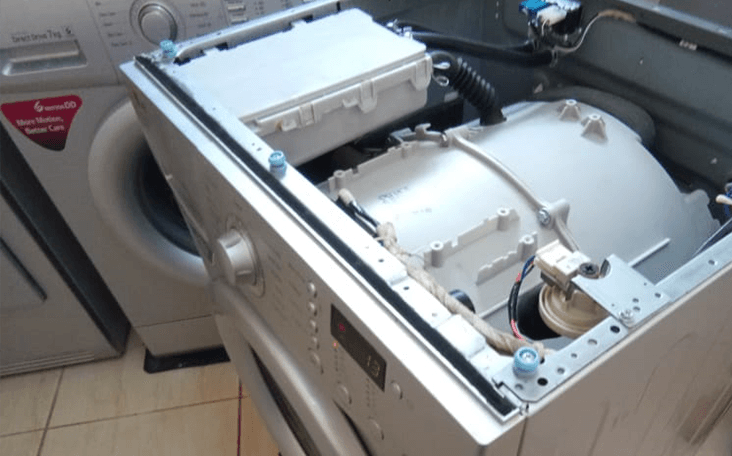
Washing machines are essential household appliances that save time, water, and effort when handling laundry. However, like other appliances, they require regular care to operate efficiently and safely. Proper maintenance can help prevent breakdowns, reduce energy and water consumption, protect clothes, and extend the working life of the machine.
Whether you use a front-load, top-load, semi-automatic, or fully automatic washing machine, following simple maintenance practices can prevent many common problems. These washing machine maintenance tips are useful for homeowners, landlords, offices, laundries, and anyone who depends on a washing machine regularly.
1. Clean the Washing Machine Regularly
One of the most important washing machine maintenance tips is to clean the appliance regularly. Soap residue, detergent, fabric softener, dirt, hair, and mineral deposits can accumulate inside the machine.
Clean the detergent drawer and remove any buildup around the compartments. Wipe the exterior using a soft, damp cloth and clean the door, lid, and rubber seal.
For front-loading machines, pay particular attention to the rubber door gasket because moisture and detergent residue can encourage mold and unpleasant odors.
Maintenance tip: A washing machine should be cleaned even when it appears clean from the outside. Internal residue can affect performance and laundry hygiene.
2. Clean the Door Seal and Rubber Gasket
The rubber gasket around a front-load washing machine door can collect water, lint, hair, coins, and detergent residue. If these materials remain trapped, they may produce bad smells and contribute to mold growth.
After washing, inspect the gasket and wipe it with a clean cloth. Carefully check the folds for small objects and accumulated dirt. Leaving the door slightly open after a wash cycle can also allow the interior to dry.
Avoid using abrasive materials that can damage the rubber seal.
3. Inspect and Clean the Drain Filter
The drain filter catches objects that may otherwise enter the pump and drainage system. Coins, buttons, hairpins, lint, and other small objects can block the filter.
Depending on the washing machine model, the filter may be located behind a small access panel near the bottom of the machine.
Before cleaning it, switch off and unplug the appliance. Place a suitable container or towel underneath because residual water may drain from the machine.
A blocked filter can cause slow drainage, error messages, unusual noises, or water remaining inside the drum.
4. Check the Water Supply Hoses
Water inlet hoses are important components that should not be ignored during washing machine maintenance. Inspect the hoses periodically for cracks, bulges, corrosion, loose connections, or signs of leakage.
Check both ends of the hose and make sure the connections are secure. A damaged hose can suddenly burst and release a large amount of water.
Replacing a worn hose before it fails is considerably safer than dealing with water damage after a rupture.
5. Check the Drain Hose
The drain hose should be positioned correctly and should not be sharply bent, crushed, or blocked. A restricted drain hose can prevent the washing machine from emptying properly.
Inspect the connection between the washing machine and the household drainage system. Look for leaks or water backing up during the drain cycle.
If the machine repeatedly fails to drain despite a clean filter and properly positioned hose, professional inspection may be necessary.
6. Avoid Overloading the Washing Machine
Overloading is one of the most common causes of unnecessary washing machine strain. Although filling the drum to maximum capacity may seem like an efficient way to save time, excessive loads can affect washing performance and put additional stress on the motor, bearings, suspension system, and other components.
Follow the manufacturer’s recommended load capacity. Heavy items such as blankets, towels, and carpets should be washed according to the machine’s specifications.
Allowing sufficient space inside the drum helps clothes move freely and allows detergent and water to circulate properly.
7. Use the Correct Detergent
Using too much detergent does not necessarily make clothes cleaner. Excess detergent can leave residue inside the drum, hoses, dispenser, and rubber seals.
High-efficiency washing machines may require specially formulated low-foam detergent. Always follow the detergent manufacturer’s instructions and the washing machine manufacturer’s recommendations.
Correct detergent usage is an important part of washing machine maintenance because it reduces buildup and helps maintain efficient operation.
8. Keep the Washing Machine Level
A washing machine that is not level may shake, vibrate, or move excessively during the spin cycle. Continuous vibration can place unnecessary stress on internal components and may eventually cause mechanical problems.
Check that the machine stands firmly on a stable, level floor. Adjust the leveling feet according to the manufacturer’s instructions.
If excessive vibration continues even when the machine is properly leveled and loaded, inspect the suspension system, shock absorbers, bearings, or other mechanical components.
Good practice: Do not ignore unusual movement during the spin cycle. Persistent vibration can be an early warning of an underlying problem.
9. Do Not Leave Wet Clothes Inside
Once a wash cycle has finished, remove the clothes promptly. Leaving wet laundry inside the drum for long periods creates a damp environment that can produce unpleasant odors and encourage mold growth.
After removing the laundry, leave the door or lid open for some time to allow air circulation. This helps the drum and seals dry naturally.
For safety, keep the appliance inaccessible to children when leaving the door open.
10. Run a Cleaning Cycle
Many modern washing machines have a dedicated drum-cleaning or tub-cleaning program. Use this function according to the manufacturer’s recommended schedule.
A cleaning cycle helps remove detergent residue, dirt, and other deposits that accumulate during normal operation.
If your machine does not have a dedicated cleaning program, follow the manufacturer’s instructions for cleaning the drum. Avoid adding chemicals that are not approved for use with your specific machine.
11. Inspect for Unusual Noises and Vibrations
Unusual sounds should not be ignored. Grinding, banging, squealing, rattling, humming, or repeated clicking may indicate a mechanical or electrical problem.
For example, a rattling noise may be caused by a foreign object, while grinding or rumbling during spinning could indicate bearing or other mechanical wear.
Early diagnosis can prevent a minor fault from developing into a major and expensive repair.
12. Check the Power Connection
Electrical safety is another important aspect of washing machine maintenance. Inspect the power cable and plug periodically for visible damage, burns, exposed wires, or overheating.
Avoid using damaged extension cables or overloaded electrical outlets. Where possible, the washing machine should be connected according to the manufacturer’s electrical requirements.
If the appliance repeatedly trips a circuit breaker, produces a burning smell, or shows electrical abnormalities, stop using it and arrange for qualified professional inspection.
13. Service the Washing Machine Professionally
Routine cleaning and inspection can be performed by the owner, but some maintenance tasks require technical knowledge. Professional servicing can identify worn bearings, pumps, motors, valves, belts, suspension components, control boards, and other parts before they fail completely.
Professional washing machine maintenance is particularly useful for heavily used machines in homes, apartments, hotels, laundries, offices, and commercial facilities.
A technician can also inspect error codes, test electrical components, check water flow, examine drainage performance, and recommend necessary repairs or replacement parts.
Benefits of Regular Washing Machine Maintenance
Following these maintenance practices provides several benefits:
- Extends the useful life of the washing machine.
- Reduces unexpected breakdowns.
- Helps maintain effective washing performance.
- Reduces unpleasant odors and residue buildup.
- Protects clothes from detergent and dirt contamination.
- Helps prevent water leaks.
- Improves drainage performance.
- Can reduce unnecessary water and electricity consumption.
- Helps identify faults at an early stage.
- Reduces the likelihood of expensive emergency repairs.
When to Call a Washing Machine Repair Technician
Some problems require professional attention. Contact a qualified technician if the machine fails to start, does not fill with water, fails to drain, leaks continuously, produces severe vibrations, makes unusual mechanical noises, displays persistent error codes, or stops during a cycle.
Do not attempt to dismantle electrical or mechanical components unless you have the appropriate technical knowledge. Professional diagnosis is safer and can help prevent additional damage.
Regular care is one of the simplest ways to keep a washing machine reliable and efficient. Cleaning the drum, detergent drawer, gasket, and filter; checking hoses; using the correct detergent; avoiding overloading; keeping the appliance level; and responding quickly to unusual noises can prevent many common problems.
The best washing machine maintenance tips are simple, consistent habits rather than complicated procedures. Combining routine cleaning with periodic professional servicing can extend the appliance’s lifespan, improve laundry results, and reduce the cost and inconvenience associated with unexpected breakdowns.