
Washing machine spiders (also called drum spiders or basket spiders) are the hidden support structures that hold and spin the inner drum in most front‑loading washers. Understanding where they sit and what they do helps you explain faults like noisy spin cycles, vibration, and broken drums in your repair content.
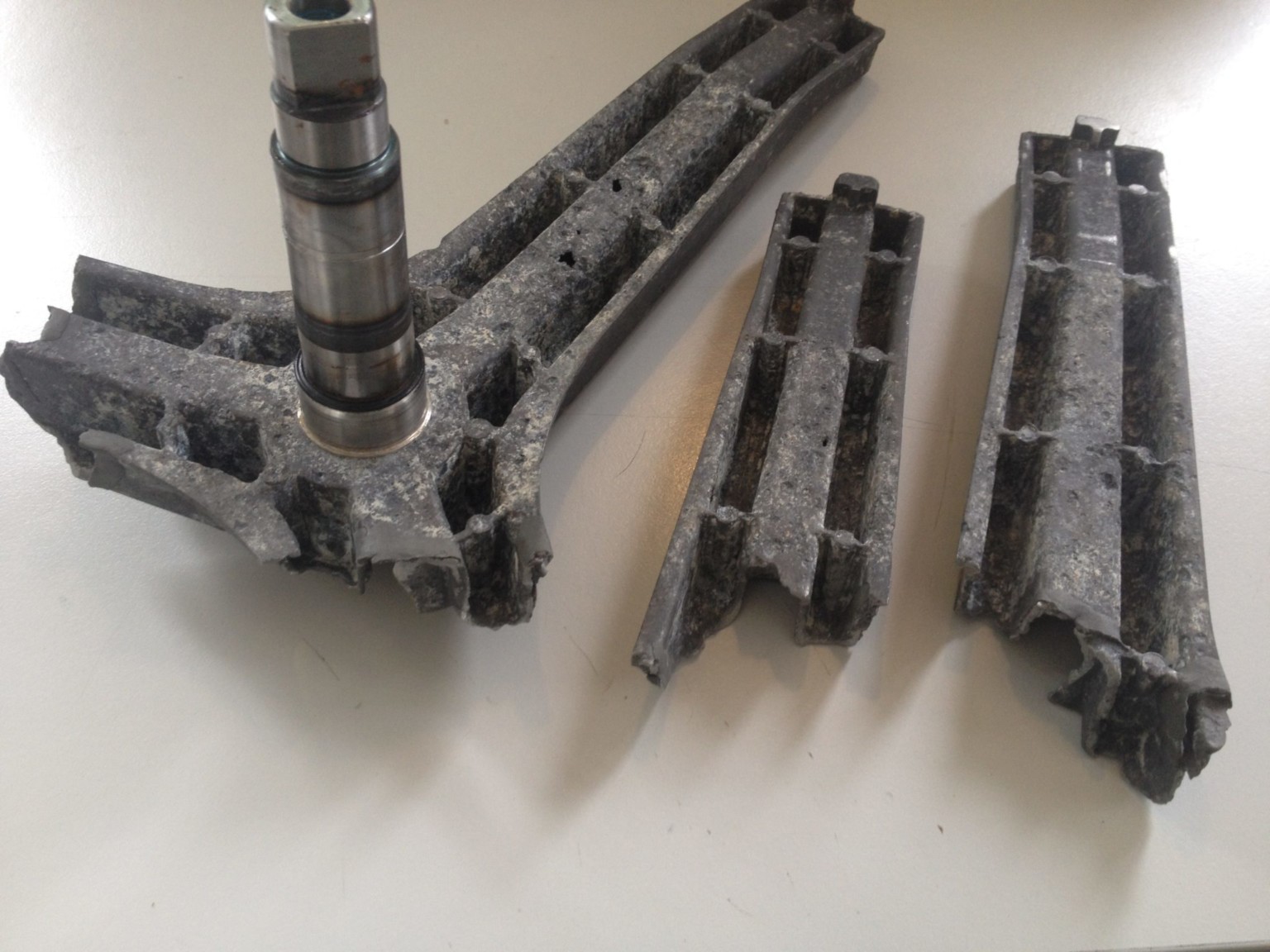
What is a washing machine spider?
A washing machine spider is a tripod‑like metal (or composite) frame attached to the back of the inner drum and connected to the drive shaft. It forms the structural “hub” that allows the drum to rotate at high speed while staying aligned and stable.
Key characteristics:
-
Tripod structure: Usually three arms spreading out from a central hub to the drum perimeter.
-
Central hub: Houses the shaft connection and often the bearing seat that interfaces with the outer tub.
-
Material: Often cast aluminum (sometimes called pot metal), stainless steel, or reinforced composites depending on brand and model.
-
Permanent attachment: Bolted or riveted to the stainless steel inner drum, designed to last the life of the machine—though in reality it often fails earlier due to corrosion.
Where the spider is located in a washer
Although end‑users never see it, the spider is central to the mechanical layout of a front‑load washing machine. For content and troubleshooting guides, it helps to picture it in relation to the drum, tub, and drive system.
General location inside the machine
-
The spider is mounted on the rear of the inner drum (the one with holes where clothes go), on the side facing the back panel.
-
Its central hub passes through the rear half of the outer tub via bearings and a seal, connecting to either a belt‑driven pulley or a direct‑drive rotor.
-
It sits between the inner drum and the drive components (pulley or motor rotor), essentially hidden by the rear tub wall.
Relation to other key parts
-
Inner drum: The three arms bolt to the drum, distributing support evenly around the circumference.
-
Outer tub: The bearings pressed into the rear tub half support the spider shaft, keeping rotation smooth.
-
Drive system:
-
Belt‑drive models: A large pulley is attached to the spider shaft at the back, and the motor drives it via a belt.
-
Direct‑drive models: The motor rotor mounts straight on the spider shaft, removing the pulley and belt.
-
Purpose and functional role of the drum spider
The spider’s main job is to support and rotate the drum reliably under heavy mechanical stress. Without it, the drum would not maintain balance, alignment, or proper spin speed.
Core purposes:
-
Structural support: Carries the full weight of wet laundry plus the drum itself during wash and especially high‑speed spin cycles.
-
Stabilization: Keeps the drum aligned with the bearings and outer tub, preventing excessive wobble and contact with the tub walls.
-
Torque transmission: Transfers rotational force from the motor (through the shaft and pulley or rotor) to the drum so it can tumble and spin clothes effectively.
-
Vibration control: By distributing load via three arms, the spider helps minimize out‑of‑balance forces that cause vibration and noise.
For front‑load machines, this combination of support and torque transfer is critical to water efficiency and spin‑speed performance.
Materials and design variations
Manufacturers balance cost, strength, and corrosion resistance when designing spiders. It’s useful to differentiate common types and their failure tendencies.
Typical materials
-
Cast aluminum (pot metal)
-
Very common due to low cost and ease of die‑casting complex shapes.
-
Lightweight, but vulnerable to corrosion in the hot, wet, detergent‑rich environment inside the tub.
-
-
Stainless steel
-
More corrosion‑resistant and mechanically robust.
-
Often used in premium or heavy‑duty designs where longevity is a selling point.
-
-
Composite or reinforced plastic hubs/arms
-
Used by some manufacturers to reduce corrosion issues and weight.
-
-
Still rely on metal inserts or hubs where they interface with the shaft and bearings.
Design and application differences table
Why spiders fail and symptoms users notice
Although your article request focuses on location and purpose, explaining failure modes gives valuable context for troubleshooting pieces.
Main causes of spider failure
-
Corrosion: Detergents, fabric softeners, high temperatures, and trapped moisture attack aluminum, leading to pitting and weakening.
-
Galvanic reaction: Contact between stainless steel drum and aluminum spider in a wet environment accelerates corrosion.
-
Mechanical fatigue: Repeated heavy or out‑of‑balance loads stress the arms and hub, eventually causing cracks or breaks.
Typical user‑visible symptoms
-
Loud banging or knocking during spin when an arm breaks or flexes excessively.
-
Excessive vibration and drum wobble even with normal loads.
-
Scraping sounds if the drum drops and starts contacting the outer tub.
-
Marks or damage on clothes when the drum runs out of alignment and rubs against fixed parts.
These points easily convert into checklist sections in repair blog posts or landing pages for washing machine drum spider replacement services.
The washing machine drum spider is the unseen structural backbone of a front‑loading washer’s drum assembly, sitting at the back of the inner drum and tying it mechanically to the drive system. It supports the load, stabilizes rotation, and transmits motor torque, and when it corrodes or breaks, many of the classic “noisy, banging, off‑balance” complaints appear—making it a prime topic for detailed repair‑oriented content.