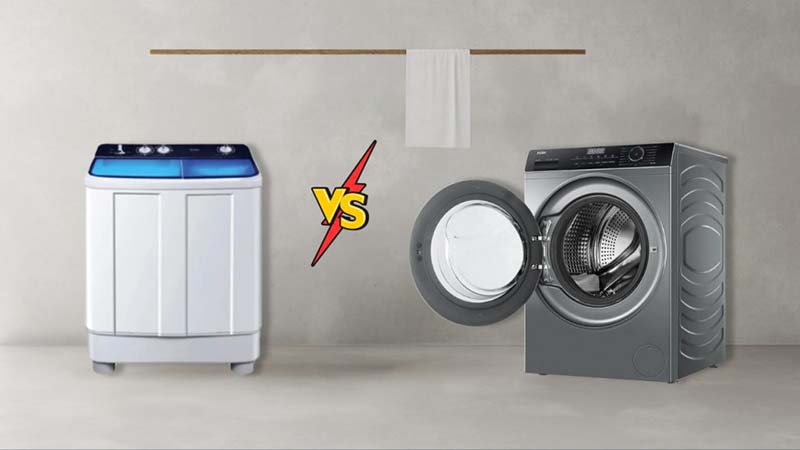
Type and drum orientation: Front Load vs Top Load Machines Comparison
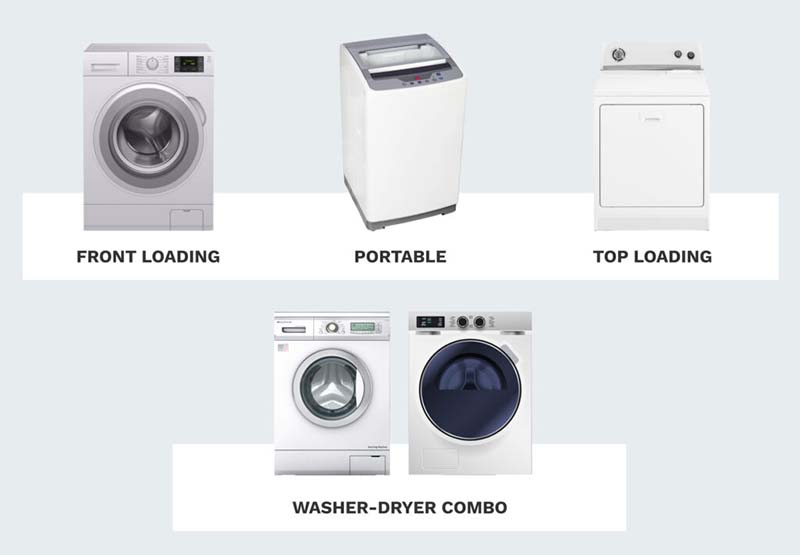
types of washing machines

The physical type and drum orientation of a washing machine directly shape how it cleans, how much space it occupies, and how convenient it is to use every day. In modern homes, the main choice is between front‑load (horizontal drum, door at front) and top‑load (vertical drum, lid on top), and each orientation has distinct trade‑offs. Understanding these differences helps you match the machine to your laundry habits, available space, and comfort level. Drum orientation and loading style Front‑load washers use a horizontal drum that tumbles clothes through a shallow pool of water, similar to a tumble dryer. You load and unload from the front door, …

Continue Reading

Front Load vs Top Load Detergent Usage: Key Differences

Front‑load and top‑load washing machines differ not just in water use but also in how much and what type of detergent you should use, and this has a direct impact on cost, residue, and machine health. In general, front‑load washers use less detergent per load and require a special low‑suds, high‑efficiency (HE) formula, while top‑load washers use more water and therefore more detergent, usually with a high‑suds, standard‑bin‑style formula. How much detergent each type uses Front‑load machines Because they operate with less water and a tumbling action, front‑loaders need only a small, concentrated dose of detergent. Many guides recommend about ½–1 capful or 1–2 tablespoons of HE …

Continue Reading

Front load vs top load water usage stats

front load vs top load washing machines

Front‑load washing machines use substantially less water per load than top‑load models, making them a better choice if you are focused on water bills, drought‑prone regions, or environmental impact. The gap is widest between front‑load vs traditional top‑load agitator machines, but front‑loaders also beat most top‑load impeller units in water efficiency. Typical gallons per load Traditional top‑load agitator washer: Uses about 15–30 gallons (≈57–114 liters) per load, with some models going up to 40 gallons (≈150 liters) on deep‑fill or heavy‑soil settings. Top‑load impeller washer: Typically uses 15–25 gallons (≈57–95 liters) per load, an improvement over agitator models but still higher than front‑loaders. Front‑load washer: Usually uses 10–15 gallons (≈40–57 …

Continue Reading

Front load vs top load energy consumption stats

front load vs top load washing machines

Front‑load washers are consistently more energy‑efficient than top‑load washers, mainly because they use less water and extract more moisture during the spin cycle, which reduces drying energy as well. The difference is most pronounced when comparing front‑load vs. traditional top‑load agitator machines, but even top‑load impeller models generally trail behind in efficiency. Energy‑use percentages and savings ENERGY STAR data shows that front‑load washers use about 45% less energy and 50% less water than conventional top‑load agitator machines. Compared with top‑load impeller washers, front‑load machines still use roughly 25% less energy and water per load. A typical top‑load agitator uses around 15–30 gallons of water per load, while a front‑loader uses only about 10–15 gallons, which directly lowers the energy …

Continue Reading