
DIY washing machine fixes empower homeowners to tackle everyday glitches without calling expensive technicians. These straightforward repairs save time and money while extending appliance life. Why Opt for DIY Fixes Simple washing machine issues often stem from clogs, imbalances, or loose parts that anyone with basic tools can address. Front-load and top-load models share many common faults like poor drainage or leaks, fixable in under 30 minutes. Regular maintenance prevents escalation, keeping repair costs low in regions like Kenya where service calls add up quickly. Essential Tools for Repairs Stock a toolkit with screwdrivers, pliers, adjustable wrenches, a bucket, and …
Category: Articles
Preventive Washing Machine Maintenance Tasks List
Regular preventive maintenance extends your washing machine’s lifespan, cuts repair costs, and ensures optimal performance. Homeowners in Kenya and beyond can prevent common issues like leaks, mold, and breakdowns by following a structured checklist. Why Preventive Maintenance Matters Skipping maintenance leads to frequent breakdowns, higher energy bills, and water wastage. Machines last 10-15 years with proper care, but neglect shortens this to under 5 years. In hard water areas like Nairobi, limescale buildup accelerates wear, making monthly checks essential. Preventive tasks reduce downtime by 70% and save up to 30% on utility costs through efficient operation. They also maintain hygiene, …
Washing Machine Repair Technician Core Skills
Washing machine repair technicians play a vital role in keeping households and businesses running smoothly across Kenya and beyond. With faulty washers causing daily disruptions—from leaking drums to unresponsive spin cycles—demand for skilled pros remains high. In Nairobi and other urban hubs, technicians who master core washing machine repair technician skills stand out, offering quick fixes that save time and money. This article breaks down the essential competencies, from diagnostics to safety protocols, helping aspiring techs level up their expertise. Why Core Skills Matter for Washing Machine Technicians Modern washing machines blend advanced electronics, hydraulics, and mechanics, making repairs complex. …
Common Washing machine spin cycle issues & Solutions
Washing machine spin cycle problems disrupt laundry routines, leaving clothes soaked and extending drying times. These issues often stem from simple fixes like load imbalance or clogs, but can signal deeper mechanical faults requiring professional attention. Why Spin Cycles Fail The spin cycle removes excess water through high-speed rotation, relying on balanced loads, clear drains, and intact components. When it falters, water remains trapped in fabrics, fostering musty odors and inefficiency. Common triggers include user errors like overloading and wear on parts over time. Modern washers feature sensors detecting imbalances to prevent damage from vibrations. Top-loaders may halt if the …
Front load washing machine Models List
Front-load washing machines excel in efficiency, using less water and energy while delivering superior cleaning through tumbling action. Popular models from LG, Whirlpool, Electrolux, and others dominate 2026 markets with smart features and large capacities. Top Models Overview Leading brands offer front-loaders from 5.0 to 12 kg capacities, ideal for Kenyan households seeking durability amid frequent power fluctuations. LG’s inverter tech and Whirlpool’s customization stand out for value. Key benefits include gentler fabric care, higher spin speeds up to 1400 RPM for faster drying, and steam cycles for hygiene. Energy Star ratings ensure low bills, critical in Nairobi’s variable grid. …
Washing machine timer replacement
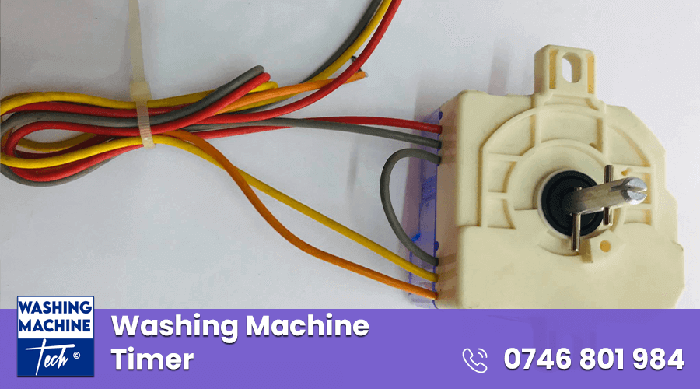
Replacing a washing machine timer restores full functionality when cycles fail to advance or the machine won’t start. This DIY repair saves hundreds compared to professional service, often costing $50–$200 for the part alone. Signs of a Faulty Timer Common symptoms include the washer refusing to start, the timer dial not advancing during cycles, or the machine stopping mid-wash without completing agitation or spin. These issues stem from worn mechanical contacts, a failing timer motor, or loose wiring inside the control assembly. No advancement often points directly to the timer, as it controls power distribution to the motor, pump, and …
Whirlpool washing machine Models List
Whirlpool washing machine models span multiple capacities, loading types (top‑load and front‑load), and price tiers, making them one of the most versatile brands for Kenyan households and small commercial laundries. Below is an SEO‑optimized 1100‑word guide that lists major Whirlpool washing machine models, followed by a comparative table highlighting key brands that compete with Whirlpool in the washing‑machine market. Popular Whirlpool washing machine models Whirlpool tailors its lineup for different use cases: small families, large households, and budget‑conscious buyers. The most commonly sold models globally and in service‑rich markets such as Kenya include: WTW5000DW (Top Load) – Around 4.7 cu ft …
GE washing machine brands List
When choosing a washing machine, many buyers look to established names that balance reliability, efficiency, and price. Within the GE ecosystem—General Electric and its affiliated lines—there are several distinct brands and sub‑brands that supply washing machines for homes in North America and beyond. This article sets out a clear list of the main GE‑linked washing‑machine brands, their positioning, and what each line is best suited for, so you can decide which “GE family” washer fits your laundry needs. Main GE‑related washing‑machine brands The GE‑connected washing‑machine market is broadly divided into three groupings: GE Appliances, GE Profile, and select GE‑branded compact …
Washing machine belt replacement: Step By Step
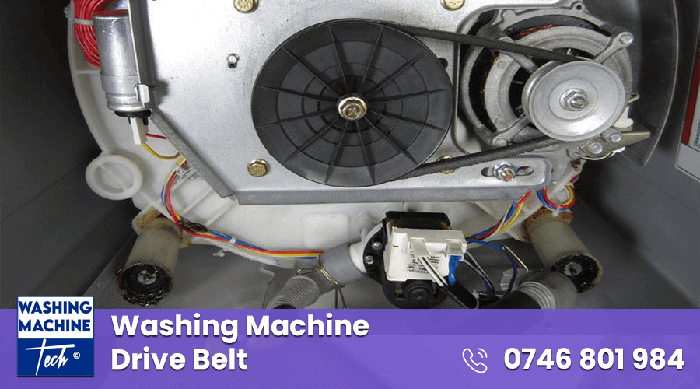
Washing machine belt replacement is a common DIY repair that can restore spin and agitation when your drum stops turning properly. With basic tools and a bit of care you can usually complete the job in under an hour, saving the cost of a service call. Below is a clear, step‑by‑step guide you can follow for most top‑load and front‑load machines, adapted from widely accepted repair practices and manufacturer‑style instructions. Before you start Always begin by unplugging the washing machine from the power outlet and, if possible, turning off the nearby circuit breaker so there is no risk of accidental …
What tools are needed to test washer drain pump
Testing a washer drain pump requires basic hand tools for access and electrical testing. Essential Tools Washing machine drain pump test Digital multimeter: Core for ohms/continuity checks on pump terminals; any model with resistance (Ω) up to 200Ω works. Screwdrivers: Phillips (#2), flathead, or Torx T15/T20 for panels and pump mounts. Pliers or channel locks: For hose clamps and wire connectors. Shallow pan or bucket: Catches residual water from hoses/filter. Towels/rags: Manages spills and cleanup. Flashlight/torch: Illuminates tight pump areas. Multimeter probing pump terminals during resistance test. Optional but Helpful Putty knife: Releases front panel clips on some models like …
How to test if washing machine drain pump is bad
Testing a washing machine drain pump confirms if it’s faulty before replacement, focusing on clogs, motor function, and mechanical integrity. Preparation Steps Unplug the machine and turn off water supply. Drain residual water via the front filter port (if accessible) into a shallow pan. Gather tools: multimeter, pliers, screwdriver, flashlight, and rags. Step 1: Visual and Hose Inspection Check the drain hose for kinks, clogs, or blockages—disconnect and flush with water. Access the pump filter (front bottom panel on most models) and remove debris like lint or coins. Step 2: Manual Impeller Test Remove the pump (front or rear access …
Common signs your washing machine pump is failing
Common signs of a failing washing machine pump include water not draining properly after cycles, unusual noises during operation, and leaks around the machine base. Key Indicators Clogged washing machine pump Water pooling in the drum: Clothes remain soaked post-cycle as the pump fails to expel water, often from clogs or motor issues. Humming or grinding sounds: A buzzing hum without drainage, or rattling from debris, signals impeller damage or blockages. Leaks underneath: Water seeps from cracked housings, loose hoses, or worn seals near the pump location. Debris like lint often clogs pumps, as visible in disassembly, worsening drainage. Additional …