
A washing machine is one of the most essential appliances in any household, simplifying the daunting task of laundry. However, its efficiency and longevity heavily depend on proper washing machine plumbing. Poor plumbing can lead to leaks, slow drainage, water damage, and even premature failure of the appliance. Whether you’re installing a new washing machine or maintaining an existing one, understanding the basics of washing machine plumbing can save you time, money, and headaches.
In this article, we’ll explore 10 tips for optimal washing machine plumbing to ensure your appliance runs smoothly and efficiently. These tips cover installation, maintenance, and troubleshooting to help you avoid common plumbing issues and extend the life of your washing machine.
Tip 1: Choose the Right Location
The first step in ensuring optimal washing machine plumbing is selecting the right location for your appliance. The washing machine should be placed on a flat, stable surface to prevent vibrations, which can loosen plumbing connections over time. Additionally, the location should be close to existing plumbing to minimize the length of hoses and reduce the risk of leaks or low water pressure.
Key Considerations:
- Place the machine on a solid, level floor to avoid wobbling during operation.
- Ensure there is enough space behind the machine for hoses and connections.
- Avoid placing the washing machine in areas prone to extreme temperatures, such as garages without insulation.
Tip 2: Use High-Quality Hoses
The hoses connecting your washing machine to the water supply are critical components of washing machine plumbing. Low-quality or worn-out hoses can burst, leading to costly water damage. Invest in high-quality, braided stainless steel hoses, which are more durable and resistant to wear and tear than standard rubber hoses.
Key Considerations:
- Replace hoses every 5 years, even if they appear to be in good condition.
- Inspect hoses regularly for cracks, bulges, or leaks.
- Ensure hoses are long enough to connect to the water supply without stretching or kinking.
“High-quality hoses are a small investment that can prevent a major disaster. Always prioritize durability when it comes to washing machine plumbing.”
Tip 3: Properly Install the Drain Hose
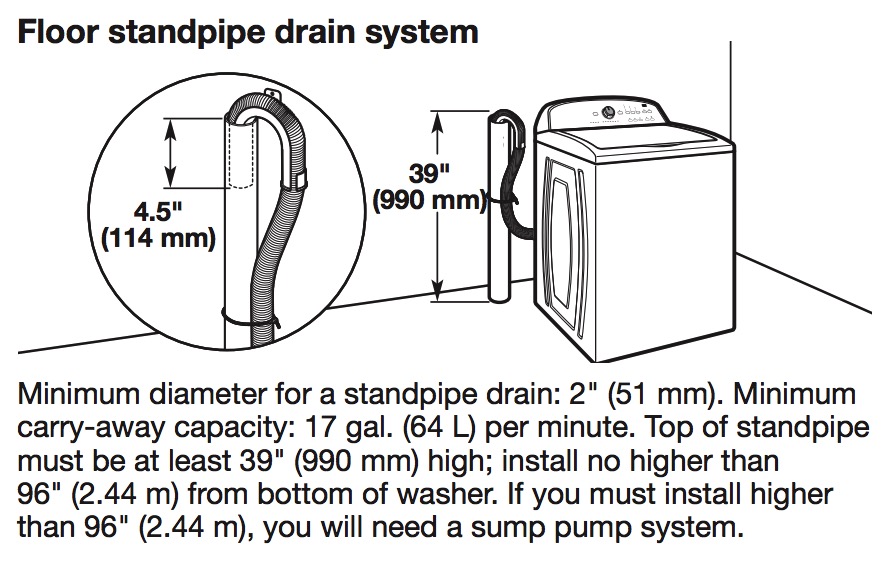
The drain hose is responsible for carrying wastewater from the washing machine to your home’s drainage system. Improper installation of the drain hose is a common cause of washing machine plumbing issues, such as slow drainage or backups. To avoid these problems, ensure the drain hose is installed correctly.
Key Considerations:
- The drain hose should be secured to the standpipe or drain using a hose clamp.
- Avoid kinks or bends in the hose, as they can restrict water flow.
- The standpipe should be at least 30 inches high to prevent water from siphoning back into the machine.
Tip 4: Check Water Supply Valves
The water supply valves control the flow of hot and cold water to your washing machine. If these valves are faulty or improperly installed, they can cause leaks or low water pressure, leading to poor performance. Regularly inspect the water supply valves as part of your washing machine plumbing maintenance routine.
Key Considerations:
- Ensure the valves are fully open to allow adequate water flow.
- Replace old or leaking valves to prevent water damage.
- Install a water hammer arrester if you notice banging noises in the pipes when the machine fills or drains.
Tip 5: Ensure Proper Drainage
Proper drainage is essential for optimal washing machine plumbing. If the drainpipe is clogged or improperly installed, water may back up into the machine or overflow onto the floor. To prevent this, ensure the drainpipe is clear and properly connected to your home’s plumbing system.
Key Considerations:
- Use a drainpipe with a diameter of at least 2 inches to handle the volume of water from the washing machine.
- Avoid connecting the washing machine drain hose to a sink drain, as this can cause backups.
- Clean the drainpipe regularly to remove lint, hair, and other debris.
“A clogged drainpipe can turn laundry day into a nightmare. Keep your washing machine plumbing in top shape by ensuring proper drainage.”
Tip 6: Install a Drain Pan
A drain pan is a simple yet effective way to protect your home from water damage caused by leaks or overflows. Placed under the washing machine, the drain pan catches any water that may escape, directing it to a nearby drain or outside. This is a small but valuable addition to your washing machine plumbing setup.
Key Considerations:
- Choose a drain pan that fits the dimensions of your washing machine.
- Ensure the pan is properly connected to a drain or has a pump to remove collected water.
- Regularly check the pan for cracks or damage.
Tip 7: Use the Right Detergent
Using the wrong type or amount of detergent can lead to residue buildup in your washing machine and plumbing system. This buildup can clog hoses, reduce efficiency, and even damage the appliance over time. As part of maintaining optimal washing machine plumbing, always use the recommended detergent for your machine.
Key Considerations:
- Use high-efficiency (HE) detergent for HE washing machines to minimize suds and residue.
- Avoid using excessive detergent, as it can lead to buildup and poor drainage.
- Clean the detergent dispenser regularly to prevent clogs.
Tip 8: Clean the Washing Machine Regularly
Regular cleaning is essential for maintaining optimal washing machine plumbing. Over time, lint, hair, and detergent residue can accumulate in the drum, hoses, and drain pump, leading to clogs and odors. Cleaning your washing machine monthly can prevent these issues and extend its lifespan.
Key Considerations:
- Run a cleaning cycle with white vinegar or a washing machine cleaner to remove buildup.
- Wipe down the drum, door seal, and detergent dispenser after each use.
- Leave the door or lid open after each use to allow the drum to air out and prevent mold and mildew.
“A clean washing machine is an efficient washing machine. Make regular cleaning a part of your washing machine plumbing maintenance routine.”
Tip 9: Inspect for Leaks
Leaks are a common issue in washing machine plumbing and can cause significant water damage if left unaddressed. Regularly inspect your washing machine and its connections for signs of leaks, such as water pooling around the base or dampness on the floor.
Key Considerations:
- Check hoses, connections, and the drain pump for leaks.
- Tighten any loose connections to prevent water from escaping.
- Replace damaged or worn-out components, such as hoses or seals, to prevent leaks.
Tip 10: Schedule Professional Maintenance
While many aspects of washing machine plumbing can be handled by homeowners, some issues may require professional expertise. Scheduling regular maintenance with a plumber or appliance technician can help identify and address potential problems before they escalate.
Key Considerations:
- Have a professional inspect your washing machine and plumbing connections annually.
- Address any unusual noises, leaks, or performance issues promptly.
- Consider a professional installation if you’re unsure about setting up the plumbing yourself.
Conclusion
Optimal washing machine plumbing is essential for the efficient and long-lasting operation of your appliance. By following these 10 tips, you can prevent common issues like leaks, clogs, and slow drainage, ensuring your washing machine runs smoothly for years to come. From choosing the right location and using high-quality hoses to cleaning the machine regularly and scheduling professional maintenance, these practices will help you avoid costly repairs and water damage.
If you encounter persistent plumbing issues with your washing machine, don’t hesitate to contact a professional plumber or appliance technician for assistance. With the right care and attention, your washing machine will continue to serve you reliably, making laundry day a breeze.