

The internet is filled with humorous claims about Russians and their alleged fascination with washing machines. From viral videos to internet memes, the stereotype has become so widespread that many people wonder if there's any truth behind it. While the narrative has been exaggerated by online culture, the relationship between Russians and washing machines does have some interesting historical and cultural roots worth exploring.
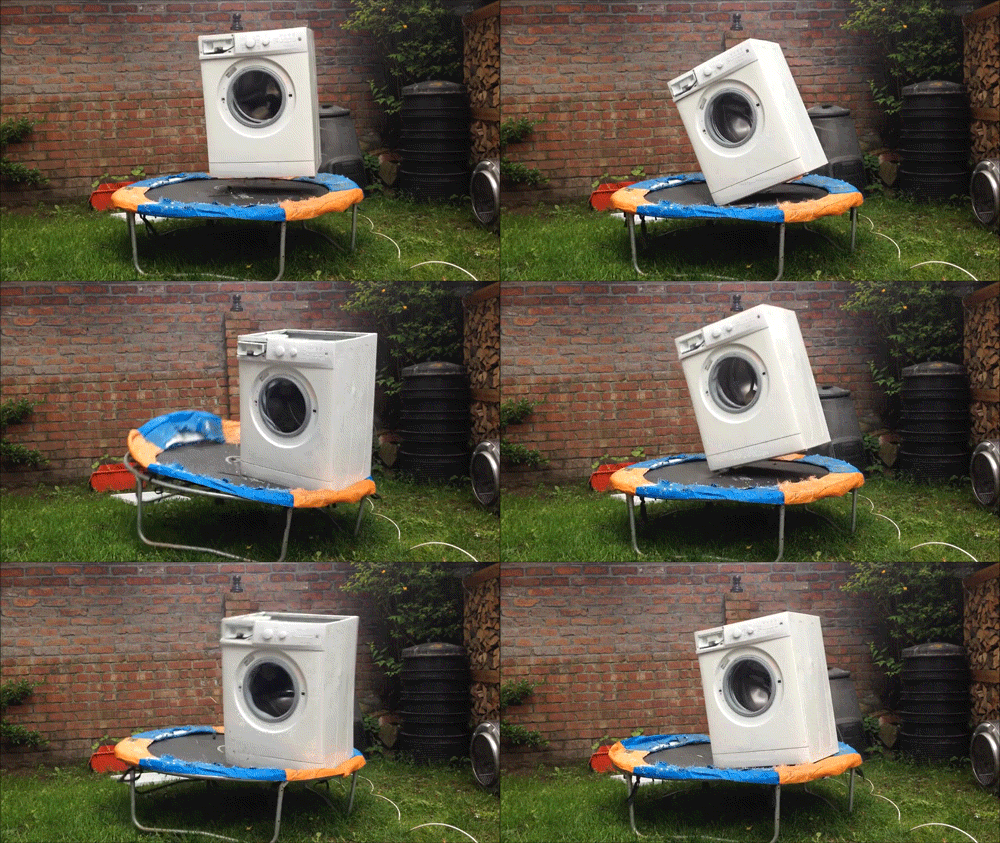
https://washingmachinerepairs.co.ke/wp-content/uploads/washing-machine-funny-russian-meme.gif
The Meme vs. Reality
The "Russians love washing machines" phenomenon largely exists as an internet joke rather than a documented cultural reality. Social media platforms have amplified this stereotype through memes and viral content, often depicting Russians using washing machines in unusual ways or showing an obsessive relationship with the appliances. However, like most internet humor, this has been taken out of context and blown out of proportion far beyond any genuine cultural phenomenon.
The actual origins of this stereotype are somewhat murky, but they appear to be connected to online culture rather than legitimate anthropological observation. The stereotype likely gained traction through Russian video platforms and social media, where content creators found entertainment value in playing along with the joke. As the internet has a habit of doing, what started as obscure humor eventually went viral globally, creating the false impression that Russians have a genuine, disproportionate fascination with washing machines.
Historical Context: Appliances and Soviet Life
To understand the contemporary relationship Russians have with household appliances, it's important to consider the Soviet Union's history. During the Soviet era, consumer goods were often scarce and difficult to obtain. Washing machines, like many modern appliances, were luxury items that not everyone had access to. When these appliances did become available, they represented significant progress and modernity in daily life.
This historical context helps explain why Russian families might value and take care of washing machines—they were symbols of modern convenience that hadn't always been readily available. However, this appreciation for functional household appliances is hardly unique to Russians. People worldwide have learned to value and maintain major appliances, especially those that represent economic progress and convenience.
The Role of Online Content Creation
One significant factor in perpetuating the washing machine stereotype is the unique nature of Russian internet culture and content creation. Russia has a robust and distinct online community that produces a significant amount of video content. Washing machine content—including repair videos, reviews, and even satirical content—proliferated on Russian video platforms, attracting both domestic and international audiences.
The accessibility of this content to Western audiences through platforms like YouTube and social media meant that people outside Russia encountered disproportionate amounts of Russian-language washing machine-related videos. This created a confirmation bias, where people assumed that Russians were particularly interested in washing machines simply because they encountered so much content about them online.
Cultural Differences in Appliance Attitudes
While the "Russian affinity for washing machines" is largely exaggerated, there are some legitimate cultural differences in how different populations relate to household appliances. Climate, living situations, and historical economic conditions all influence how much emphasis a culture places on different household technologies. In colder climates like Russia, heating systems might receive more attention, while in other regions, different appliances take priority.
Additionally, Russian pragmatism and the Soviet legacy of making things work and last has influenced attitudes toward maintenance and repair. This practical approach to appliance care is sometimes mistaken for an unusual fascination with the appliances themselves, when it's really just good household management.
The Power of Internet Culture
The washing machine stereotype ultimately demonstrates how internet culture can create and perpetuate narratives that have little basis in reality. What began as niche humor within Russian online communities became globalized through social media, eventually creating an international joke that many people accept at face value without questioning its validity.
This phenomenon highlights how quickly misinformation and stereotypes can spread in the digital age. The "Russians and washing machines" narrative serves as a reminder that viral internet trends and memes, while entertaining, often distort reality and can reinforce inaccurate cultural stereotypes.
While Russians do not have any scientifically documented special affinity for washing machines, the stereotype itself is a fascinating example of how internet culture creates and spreads myths. Rather than reflecting a genuine cultural phenomenon, the stereotype is primarily a product of online humor, content algorithms, and the way information spreads across social media. Russians value their washing machines the same way most people worldwide do—as practical, necessary appliances that make daily life easier. The real story here isn't about Russians loving washing machines, but rather about how internet culture can transform obscure humor into a globally recognized stereotype.
