
Commercial dryers work harder than any home appliance ever will. In a laundromat, hotel laundry room, or gym facility, a single machine can run ten or more cycles a day, seven days a week. That kind of constant use puts enormous strain on one small but essential component: the drive belt. When it fails, the drum stops turning, and the machine goes from a revenue generator to a repair ticket. Understanding how to spot a failing belt, and how to replace it correctly, can save a laundry business hours of downtime and hundreds of dollars in avoidable service calls. What …
Author: Washing Machines Tech
Commercial Dryer Thermal Fuse Replacement
The thermal fuse is one of the smallest components in a commercial dryer, and also one of the most important from a safety standpoint. Unlike a thermostat, which cycles on and off to regulate temperature, a thermal fuse is a one-time safety device: once it blows because the dryer overheated, it has to be replaced entirely before the machine will run again. In busy commercial laundry rooms, a blown thermal fuse is one of the more common reasons a dryer suddenly stops heating — or stops running altogether. Recognising a Blown Thermal Fuse The telltale sign is a dryer that …
Commercial Dryer Thermostat Replacement
A dryer's thermostat is the component quietly keeping every cycle at a safe, consistent temperature, and in a commercial machine running back-to-back loads all day, it takes a beating. When a thermostat starts failing, the results range from mildly annoying — clothes coming out too hot or too cool — to a genuine safety concern if the dryer overheats without the thermostat cutting the heat in time. How a Thermostat Failure Shows Up Most commercial dryers actually have more than one thermostat: a cycling thermostat that regulates temperature during normal operation, and a high-limit thermostat that acts as a safety …
Commercial Dryer Motor Repair
The drive motor is what keeps a commercial dryer's drum turning through every single cycle, and in a busy laundry operation that motor can be running for hours a day, every day. When it starts to fail, the impact is immediate and obvious — a dryer that won't tumble at all, one that starts but stalls, or one that runs unusually loud as internal components wear down. Signs of Motor Trouble A dryer that hums but doesn't turn the drum is one of the clearest motor symptoms, often pointing to a motor that's trying to start but can't overcome internal …
Commercial Dryer Burner Repair
The burner assembly is where gas and ignition actually come together to produce the heat a dryer needs, and in commercial machines running long daily hours, the burner takes on more soot, debris and general wear than almost any other component in the heating system. A burner fault can show up as no heat at all, weak or inconsistent heat, or in more serious cases, a burner that produces an uneven or improperly shaped flame — which is as much a safety issue as a performance one. Recognising Burner Problems Where possible to observe safely, a healthy gas burner produces …
Commercial Dryer Gas Valve Repair
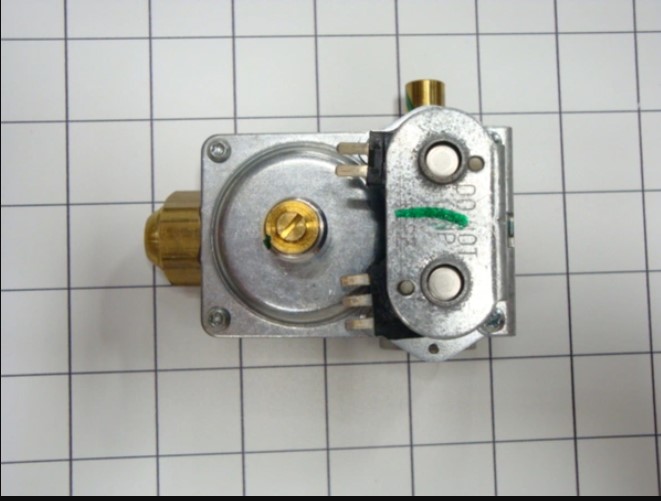
The gas valve is the component that actually releases fuel to the burner once the igniter has fired, and it's built with multiple internal safety solenoids that have to open in precise sequence for the burner to light correctly. In a commercial dryer running heavy daily cycles, gas valves take on a lot of wear, and when they start failing the result is usually a dryer that runs but produces little or no heat — sometimes intermittently, which makes it trickier to pin down without a proper inspection. Signs of a Failing Gas Valve A gas valve fault often looks …
Commercial Gas Dryer Igniter Repair
Gas commercial dryers rely on an igniter to light the burner at the start of every heating cycle, and because that igniter fires dozens of times a day in a busy laundry operation, it's one of the components most prone to wearing out. When the igniter fails, the dryer typically still runs — the drum turns, the timer counts down — but no heat is produced because the gas burner never actually lights. How to Tell the Igniter Has Failed The most obvious sign is a dryer that tumbles normally but produces cold or barely warm air throughout the cycle. …
Commercial Dryer Drum Repair service, Nairobi
The drum is the largest single component in a commercial dryer, and it takes a physical beating that most other parts never experience — the constant tumbling weight of wet linens, repeated loading and unloading, and in busy properties, the occasional coin, button or zipper left in a pocket. Drum faults tend to show up as noise, damaged fabric, or drying that's noticeably less even than it used to be. Signs Your Drum Needs Attention Loud thumping or banging during operation is one of the most common complaints, and while this can sometimes be as simple as an unbalanced load, …
Commercial Dryer Drum Roller Replacement
Drum rollers — sometimes called support rollers or idler wheels, depending on the model — are the small wheels that support the drum's weight and let it rotate smoothly inside the dryer cabinet. They're an easy component to overlook, but in a commercial dryer running long hours every day, they wear out steadily, and a worn roller is one of the most common causes of the grinding or squealing noises property managers report. How to Recognise Worn Drum Rollers The classic sign is a rhythmic squeaking or grinding noise that speeds up and slows down with the drum's rotation, often …
Commercial Washer Plumbing Repair Service
A commercial washer is only as reliable as the plumbing behind it. Hotels, laundromats, hospitals and serviced apartments run their machines through dozens of fill-and-drain cycles a day, and that constant water flow puts real strain on hoses, valves, pumps and fittings. When the plumbing side of a commercial washer starts failing, the symptoms are hard to miss — slow fills, machines that won't drain, water pooling under the unit, or a cycle that stalls halfway through because the machine never senses enough water. Common Plumbing Faults Water inlet valves are usually the first point of failure. These solenoid valves …
Commercial Laundry Equipment Inspection Service
A thorough equipment inspection serves a different purpose from a repair or maintenance visit — it's about getting a clear, honest picture of a machine's current condition, whether you're buying used equipment, assessing an existing fleet's remaining service life, or investigating a recurring but hard-to-pin-down fault. Washing Machines Tech provides inspection services for commercial laundry equipment, giving businesses the information they need to make informed decisions about repair, replacement or purchase. What Our Inspections Cover A full equipment inspection typically assesses: Overall mechanical condition and wear level Bearing, seal and belt integrity Electrical and control system function Water, drainage and …
Preventive Maintenance for Commercial Laundry Machines
There's a meaningful difference between general maintenance and a structured preventive maintenance programme — the former reacts to visible wear, while the latter follows a planned schedule designed to catch faults before they're even visible. For businesses running laundry equipment continuously, a preventive programme is the difference between planned servicing and unplanned emergency call-outs. Washing Machines Tech builds preventive maintenance schedules for commercial laundry operations, structured around each machine's usage volume and manufacturer guidance. What a Preventive Programme Includes A typical preventive maintenance schedule covers: Scheduled bearing and seal inspections Belt tension and wear checks on a fixed interval Water …