
Front‑load and top‑load washing machines both get your clothes clean, but they treat your fabrics very differently. If you care about how long your shirts, dresses, and work uniforms last, understanding fabric care and wear in each type is crucial. For anyone in Nairobi maintaining a household or running a small laundry business, choosing the right machine—and using it correctly—can save money on replacements and reduce the need for frequent repairs. How front‑load machines treat your clothes Front‑load washers use a horizontal drum that tumbles clothes through a relatively small amount of water instead of fully submerging them. This tumbling action is: Gentler on …
Author: Washing Machines Tech
Wash performance and stain removal in Front vs Top Load Machines
Front-load washing machines generally outperform top-load models in wash performance and stain removal due to their tumbling action, which ensures better detergent penetration and agitation. Top-load machines, while faster, often struggle with clumping clothes and less efficient cleaning. This comparison highlights key differences for Kenyan households seeking reliable laundry solutions. Cleaning Mechanisms Front-load washers use a tumbling motion where clothes rotate in a drum, mimicking hand washing for superior soil lift-off. This action keeps fabrics submerged longer, enhancing stain breakdown from grease, mud, or food. Top-load machines rely on an agitator or impeller that twists clothes vertically, which can tangle …
Detergent suds and residue behavior in Front vs Top Load Machines
Detergent suds and residue behavior differs significantly between front‑load and top‑load washing machines, and using the wrong type can leave clothes stiff, spotted, or smelling faintly soapy. At Washing Machines Tech (washingmachinerepairs.co.ke, 0746801984), we regularly see suds‑related issues that stem from mismatched detergents or incorrect dosing, especially in Nairobi homes running hard water. How suds form in each machine type Front‑load machines use a tumbling action and much less water, so they rely on high‑efficiency (HE) detergents that create very low suds. These detergents are chemically active over longer cycles and are designed to rinse out cleanly with minimal water. …
How detergent choice changes for front‑load vs top‑load machines
Front‑load and top‑load washing machines work differently, so the detergent you use should match the machine type. Front‑loaders use a tumbling action with less water, so they need low‑foam, high‑efficiency (HE) detergents to avoid excess suds and poor rinsing. Top‑load agitator machines use more water and stronger agitation, so they work best with higher‑suds detergents that lift dirt in that high‑water environment. Using the wrong detergent can lead to poor cleaning, drum residue, bad smells, or even mechanical stress over time. Key differences in detergent chemistry Front‑load detergents are formulated as “low‑suds” or HE products that dissolve quickly in less …
Door/swing type and sealing in Front vs Top Load Machines
Door swing type and sealing mechanisms define key functional differences between front load and top load washing machines, impacting maintenance, leak prevention, and mold risks. Front loaders feature a front-hinged door that swings outward, relying on a rubber gasket for airtight sealing, while top loaders use a top lid with simpler rim seals. Understanding these elements helps Kenyan households choose reliable models and avoid costly repairs. Door Swing Mechanisms Front load machines have a circular glass door on the front that swings open horizontally to the side or pulls downward, allowing visibility into the drum during cycles. This design supports …
Auto‑dosing and detergent‑dispenser design in Front vs Top Load Machines
Front‑load and top‑load washing machines differ not only in drum orientation and user ergonomics, but also in how they handle detergent—especially with modern auto‑dosing and dispenser designs. For Kenyan homes and service businesses, understanding these differences helps you choose the right machine, avoid clogs, and extend appliance life. If you’re facing dispenser leaks, dosing errors, or poor wash performance, Washing Machines Tech (washingmachinerepairs.co.ke | 0746801984) offers expert diagnosis and repair on all major brands. How auto‑dosing works Auto‑dosing—found on many premium front‑loaders and some newer top‑loaders—uses sensors, pumps, and software to measure load size, fabric type, and soil level, then …
Stain‑specific and specialty wash programs in Front vs Top Load Machines
Front-load washing machines excel in stain-specific and specialty wash programs due to their tumbling action, while top-load models prioritize speed and heavy-duty cleaning for everyday stains. This comparison highlights key differences to help Kenyan households choose based on laundry needs, with expert repairs from Washing Machines Tech at washingmachinerepairs.co.ke or 0746801984. Core Cleaning Mechanisms Front-load washers tumble clothes through a small water pool, enhancing detergent penetration for tough stains like grease or wine. Top-load machines use agitators or impellers to twist fabrics in more water, suiting mud or grass stains common in Nairobi’s dusty environments. This action difference drives program …
Water‑saving or eco‑modes in Front vs Top Load Machines
Water‑saving or eco‑modes on front‑load and top‑load washing machines can cut your bills and shrink your environmental footprint—but they work differently in each type. For Kenyan households, pairing the right machine with the right eco‑program helps stretch each litre of water further, especially in areas with irregular supply or high water costs. How eco‑modes save water Eco‑ or water‑saving modes adjust four main things: fill level, cycle length, spin speed, and wash temperature. Instead of flooding the tub, they use a shallow pool of water and a longer, gentler tumbling action (front‑load) or a lower‑water agitator cycle (top‑load) to clean …
Child‑lock and Safety Features in Front vs Top Load Machines
Child-lock and safety features are essential in washing machines, especially for households with young children, preventing accidents like tampering with controls or accessing water-filled drums. Front-load and top-load machines offer distinct safety mechanisms tailored to their designs, balancing child protection with usability. Understanding these differences helps families choose the right model while ensuring repairs and maintenance from experts like Washing Machines Tech at washingmachinerepairs.co.ke or 0746801984 keep safety optimal. Core Child-Lock Functionality Child-lock primarily disables control panels to stop accidental button presses that could alter cycles or start machines unexpectedly. In front-load washers, this often integrates with door locks, creating …
Environmental impact and water‑energy ratings: Front vs Top Load Machines
Front-load washing machines outperform top-load models in environmental sustainability due to superior water and energy efficiency. Choosing energy-efficient washers reduces household carbon footprints while cutting utility costs. This article compares their impacts, ratings, and long-term benefits. Key Efficiency Differences Front-load washers use tumbling action to clean clothes in a shallow water pool, consuming about 13 gallons per load compared to 25 gallons for standard top-loaders. This halves water usage, critical in water-stressed areas like Nairobi. Energy savings follow, as less water means lower heating demands, making front-loaders up to 40% more efficient per Energy Star data. Top-loaders, especially agitator models, …
Best Rated washing machine brands, 2026
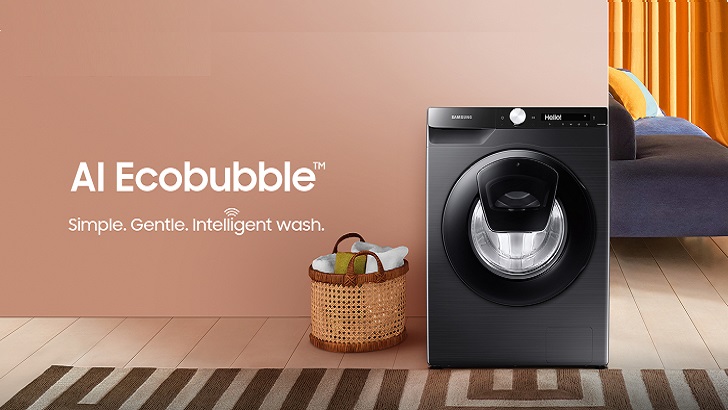
Here are some of the best washing machine brands in 2026, selected on the basis of user reviews, reliability surveys, and real‑world performance across thousands of households. Top brands by user satisfaction Consumer surveys and large‑scale review analyses consistently rank Electrolux, LG, Bosch and Miele among the most reliable washing machine brands globally. Electrolux and LG are praised for sturdy build quality and low‑fault rates even after five years of regular use, while Bosch and Miele score highly for long‑term durability and fewer major component failures over time. Samsung and Hisense also appear frequently in 2026 “best” lists, mainly for …
How to replace direct drive motor coupling DIY
Replacing a direct drive motor coupling yourself is a fairly simple DIY job if the machine is a front‑loader or top‑loader with a traditional Whirlpool‑style direct‑drive layout. The coupling sits between the motor shaft and the transmission shaft, and when it breaks the motor may run but the drum will not agitate or spin, or you’ll hear a loud clunking or grinding noise. Below is a clear, step‑by‑step guide you can follow at home. 1. Confirm the problem Before starting, check these symptoms: Motor runs but the drum does not spin or agitate. Washer makes a rhythmic clunking or rattling …