
WASHING MACHINE FAULTS: SYMPTOMS, SIGNALS, BEHAVIOUR AND ASSOCIATED PROBLEMS: A COMPREHENSIVE EXPLANATION
Washing machines are designed to run quietly and efficiently. When something changes in their behaviour, it often signals a developing fault. Many users ignore early symptoms. This leads to more damage, higher repair costs, and shorter appliance life. Understanding the warning signs helps detect problems early. This article explains common washing machine faults, their symptoms, and what each behaviour usually means.
https://washingmachinerepairs.co.ke/wp-content/uploads/Water-Leakage-from-Washing-Machine-1.jpg
COMMON BEHAVIOUR THAT SIGNALS A PROBLEM
| Behaviour / Symptom | What You May Notice | Likely Cause | Associated Problem |
|---|---|---|---|
| Machine not turning on | No lights, no sound | Power supply issue | Faulty socket, blown fuse, damaged cable |
| Machine fills slowly | Long filling time | Blocked inlet filter | Low water pressure |
| Water not draining | Water remains in drum | Blocked drain pump | Clogged filter or hose |
| Loud banging noise | Drum hitting cabinet | Unbalanced load | Worn suspension springs |
| Excessive vibration | Machine moving during spin | Uneven floor | Damaged shock absorbers |
| Burning smell | Hot electrical smell | Motor overheating | Belt slipping or worn motor |
| Water leaking | Puddles under machine | Loose hose | Damaged door seal |
| Machine stops mid cycle | Program freezes | Control board fault | Sensor failure |
| Clothes remain wet | Poor spinning | Worn drive belt | Faulty motor |
| Door not opening | Door locked after cycle | Faulty door lock | Control module error |
MACHINE NOT POWERING ON
When a washing machine does not power on, the issue is usually electrical. First check the wall socket. A loose plug or faulty extension cable may stop power flow. If power is available, the internal fuse may be blown. Some models also have thermal protection. This cuts power when the machine overheats.
Another cause is a damaged control board. Power surges can burn components. Moisture exposure may also cause corrosion. In such cases, the machine appears completely dead. Professional testing is required to confirm this fault.
WASHING MACHINE NOT FILLING WITH WATER
If the machine starts but no water enters, the inlet system may be blocked. Most machines have a small filter inside the inlet valve. Dirt and sediment from pipes collect there. This reduces water flow.
Low water pressure also causes slow filling. The machine may take too long to start washing. Some models stop the cycle when filling takes too long. Another possible cause is a faulty water inlet valve. The valve may not open fully. This restricts water entry.
WATER NOT DRAINING PROPERLY
Drainage problems are very common. When water remains in the drum, the machine cannot spin. This leaves clothes soaked. The most common cause is a blocked drain filter. Coins, lint, and small clothing items often get trapped.
A blocked drain hose also prevents water flow. The hose may be kinked behind the machine. The drain pump may also fail. When the pump is faulty, you may hear a humming sound but no drainage occurs.
EXCESSIVE VIBRATION DURING SPIN CYCLE
Strong vibration indicates stability problems. The first check is the floor surface. Uneven flooring causes imbalance. Adjusting the feet usually solves this. If vibration continues, the internal suspension may be worn.
Shock absorbers support the drum. When worn, they fail to control movement. The drum then swings violently. Overloading the machine also increases vibration. Heavy loads stress the suspension system.
LOUD BANGING OR KNOCKING NOISE
Banging noises occur when the drum hits the cabinet. This often happens with unbalanced loads. Washing heavy items like blankets can cause this. Redistributing the load may solve the issue.
If the noise continues, the drum bearings may be worn. Bearings support smooth rotation. When damaged, grinding or knocking sounds appear. Ignoring this leads to major drum damage.
WASHING MACHINE LEAKING WATER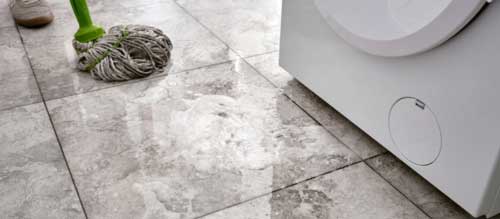
Leaks are visible and should be addressed quickly. The door seal is a common leak point. Detergent buildup damages rubber seals. Cracks then allow water to escape.
Loose inlet hoses also leak. Check hose connections at the back. Internal leaks may come from a cracked tub. This usually requires professional repair. Pump seal failure may also cause leaks during draining.
BURNING SMELL FROM THE MACHINE
A burning smell is a serious warning sign. It may indicate electrical overheating. Worn drive belts slip and produce friction heat. This creates a rubber burning smell.
Motor faults also cause overheating. When the motor struggles to rotate, it draws excess current. Wiring insulation may start melting. The machine should be switched off immediately.
MACHINE STOPPING MID CYCLE
When a washing machine stops before finishing, control issues may exist. Modern machines rely on sensors. If a sensor fails, the cycle pauses. Water level sensors are common failure points.
Another cause is overheating protection. The machine stops to prevent damage. Control board faults also freeze programs. Resetting the machine may temporarily solve it, but repair is needed.
CLOTHES COMING OUT TOO WET
Wet clothes indicate spinning problems. The drive belt may be loose or worn. This reduces spin speed. A faulty motor also prevents proper spinning.
Drainage issues also cause wet clothes. If water remains, spinning is limited. Load imbalance may also stop the spin cycle. The machine tries to protect itself.
DOOR NOT OPENING AFTER WASH
Front load machines lock during operation. If the door stays locked, the lock mechanism may be faulty. Water inside the drum also prevents unlocking.
Control board errors sometimes keep the lock engaged. Some machines require manual release. This is usually behind a small panel.
UNUSUAL SMELLS FROM THE DRUM
Bad odours come from detergent residue. Mould grows in damp conditions. Low temperature washes worsen this. Running a hot cleaning cycle helps remove buildup.
Blocked drain systems also create smells. Stagnant water inside hoses produces odour. Regular cleaning prevents this.
MACHINE TAKING TOO LONG TO WASH
Long cycles often signal sensor issues. Water heating faults slow the process. If the heater fails, the machine waits longer.
Low water pressure also increases cycle time. The machine delays washing until proper levels are reached.
DETERGENT NOT DISPENSING PROPERLY
Blocked detergent drawers prevent flow. Hardened detergent restricts movement. Water spray nozzles may also be blocked.
Faulty dispenser valves also stop detergent release. This reduces washing effectiveness.
DRUM NOT SPINNING
If the drum does not spin at all, the drive system may be faulty. The belt may be broken. Motor brushes may be worn. Electronic control failure also stops rotation.
WATER OVERFLOWING FROM MACHINE
Overflow indicates water level control failure. The pressure switch may be faulty. This sensor monitors water level. When it fails, filling continues.
Blocked pressure hoses also cause incorrect readings. This leads to overfilling.
ELECTRICAL TRIPPING WHEN MACHINE RUNS
If the machine trips power, there may be a short circuit. Heater elements commonly cause this. Damaged wiring also leads to leakage current.
Water entering electrical components also triggers tripping. Immediate inspection is necessary.
IMPORTANCE OF EARLY DIAGNOSIS
Recognizing symptoms early prevents severe damage. Small issues such as clogged filters are easy to fix. Ignoring them stresses the motor and pump.
Routine maintenance reduces faults. Cleaning filters, checking hoses, and balancing loads improves performance. These simple actions extend machine lifespan.
PREVENTIVE MAINTENANCE TIPS
Clean the drain filter regularly. Inspect hoses for cracks. Avoid overloading the drum. Use correct detergent amounts. Leave the door slightly open after washing. This prevents moisture buildup.
Run a hot cleaning cycle monthly. This removes detergent residue. Check machine leveling to avoid vibration.
WHEN TO SEEK PROFESSIONAL REPAIR
Some faults require technical repair. Electrical problems, motor faults, and control board failures should be handled by technicians. Attempting complex repairs may cause further damage.
Professional diagnosis ensures accurate fault identification. This saves time and prevents unnecessary part replacement.
Understanding washing machine behaviour helps detect faults early. Each sound, smell, or change in operation provides clues. Monitoring these signals reduces repair costs and improves reliability. Proper maintenance and timely repair keep the machine running efficiently for many years.