
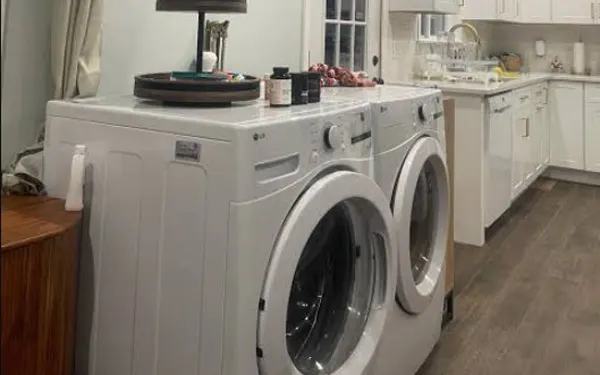
A washing machine is one of the hardest-working appliances in any household. Depending on family size, it may run several cycles every week, churning through hundreds of loads per year. Despite this constant use, many homeowners neglect routine care until something breaks down. The good news is that a few simple habits and maintenance tasks can extend a washing machine’s lifespan by years, saving you hundreds or even thousands of dollars in repair and replacement costs. Here are ten effective methods to keep your washer running smoothly for the long haul.
1. Don’t Overload the Machine
It’s tempting to cram in one more towel to save time, but overloading is one of the most damaging things you can do to a washing machine. Excess weight strains the motor, bearings, and suspension system, and it forces the drum to work harder during the spin cycle. Over time, this leads to premature wear and uneven cleaning. Follow the manufacturer’s capacity guidelines and leave enough room for clothes to tumble freely. A full-but-not-stuffed drum is the sweet spot.
2. Use the Right Amount and Type of Detergent
More detergent doesn’t mean cleaner clothes. Excess detergent creates residue buildup inside the drum, hoses, and pump, which can breed mold and cause mechanical problems. High-efficiency (HE) machines require HE detergent, which produces fewer suds. Always measure according to the instructions, and consider reducing the recommended amount slightly if you have soft water, since detergent lathers more easily in soft water conditions.
3. Clean the Machine Regularly
Washing machines need washing too. Detergent residue, dirt, and mineral deposits accumulate over time, leading to odors and inefficiency. Run an empty hot-water cycle once a month with a washing machine cleaner, or a natural alternative like two cups of white vinegar plus a quarter cup of baking soda. This simple routine dissolves buildup, flushes out grime, and keeps the interior fresh. Modern machines often have a dedicated “clean cycle” setting—use it.
4. Clean the Detergent Dispenser and Filter
The detergent drawer is a common hiding spot for mold and soap scum. Remove it periodically, soak it in warm water, and scrub away residue with an old toothbrush before reinserting it. Likewise, the drain filter—usually located at the front bottom of the machine—traps lint, coins, hair, and debris. Check it every few months. A clogged filter forces the pump to work harder and can eventually cause drainage failures. Put a towel down and a shallow pan beneath it before removing, as some water will escape.
5. Leave the Door Open Between Loads
Front-loading machines in particular are notorious for developing musty smells caused by mold and mildew. The airtight door seal traps moisture, creating a humid environment perfect for microbial growth. After your last load of the day, leave the door or lid ajar to allow the interior to dry out completely. This one free habit dramatically reduces odor and gasket deterioration.
6. Wipe Down the Door Seal (Gasket)
On front loaders, the rubber gasket around the door collects water, hair, lint, and trapped items like socks. Weekly, wipe the gasket with a damp cloth, getting into the folds where moisture lurks. Inspect for small objects that may have escaped the drum—coins, paperclips, and bra wires can lodge in the seal and cause leaks or damage the drum during the next cycle. If you spot early signs of gasket cracking or mold stains that won’t clean off, consider replacing the seal before it fails completely.
7. Check and Balance the Machine’s Level
A washing machine that rocks or “walks” during the spin cycle is suffering—and so is your floor. Uneven placement puts stress on bearings, shock absorbers, and the cabinet itself. Use a spirit level on top of the machine and adjust the leveling feet until it sits firmly and evenly. Recheck the level every few months, since vibrations can cause feet to shift over time. A stable machine is a quieter, longer-lived machine.
8. Inspect and Replace Hoses
The water inlet hoses are among the most common sources of catastrophic washing machine failures—burst hoses can flood a home in minutes. Inspect them every few months for bulges, cracks, fraying, or corrosion at the fittings. Most manufacturers recommend replacing rubber hoses every three to five years. Upgrading to braided stainless-steel hoses offers greater durability and burst resistance. Also, avoid overtightening the connections, which can crack fittings, and make sure hot and cold lines are connected correctly.
9. Avoid Excessive Spin Speeds and Harsh Cycles
High spin speeds extract more water but increase mechanical stress on the drum, bearings, and motor. For everyday loads like casual clothes and delicates, choose moderate spin speeds. Reserve the maximum spin setting for heavy items like towels and bedding when truly necessary. Similarly, match the cycle to the load—running a heavy-duty cycle for lightly soiled clothes wastes energy and accelerates wear on both your clothes and the machine.
10. Protect Against Power Surges and Hard Water
Electronic control boards are expensive to replace and vulnerable to voltage spikes. Plug your washer into a surge protector, especially in regions prone to lightning storms or unstable power. If your home has hard water, mineral deposits will accumulate in the valves, heating elements, and drum. Installing a water softener, or using a descaling agent a few times a year, minimizes mineral damage and keeps water flowing freely through the system.
A washing machine doesn’t demand much attention, but it rewards the care it receives. Most of these ten methods cost nothing or very little, yet together they can add five or more years to your appliance’s life. Build a simple monthly routine—clean the machine, check the filter, wipe the gasket—and a seasonal habit of inspecting hoses and leveling. Treat your washer well, and it will keep your clothes clean for a decade or longer, one well-maintained cycle at a time.